


Dec. 19, 2025
Supporting ‘exhausted’ immune cells
Aneela Nomura, Research scientist
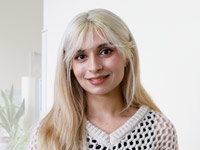
Please describe your research.
At the RIKEN Center for Integrative Medical Sciences in Yokohama, Japan, I use mouse models of cancer and infection to study how immune cells known as cytotoxic T lymphocytes (CD8+ T cells) respond to disease. By analyzing these cells using techniques such as flow cytometry—which analyzes the physical and chemical properties of cells or particles as they flow through a laser—and tissue imaging, we can better understand how the immune system fights tumors or infections. This has helped us to find ways to boost immune responses even after some T cells become ‘exhausted’, which could lead to new treatments, such as drugs or vaccines for cancer and infectious diseases.
What is your role at RIKEN?
I study how the immune system’s CD8+ T cells help to fight cancer. These cells can recognize and kill tumor cells, but over time, tumors find ways to weaken the immune system and stop these cells from working properly. These cells then become exhausted, which means that they have a reduced ability to kill infected or cancerous cells. My research looks at how we can keep these immune cells active and effective, even in the tough environments created by tumors.
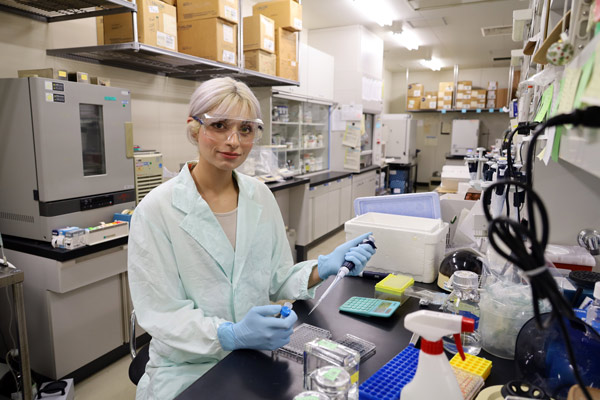
What are some interesting recent discoveries in your field?
One of the most interesting discoveries in recent years has been the understanding of T cell exhaustion as a dynamic and regulated state, rather than a fixed, irreversible failure. For a long time, exhausted CD8+ T cells in tumors were thought to be dysfunctional beyond repair. But recent studies have shown that these cells exist in different states—including a ‘progenitor exhausted’ subset that still retains the capacity to replicate and respond to therapies. This has had a major influence on my research. It suggests that instead of trying to completely reinvigorate exhausted T cells, we might focus on maintaining or expanding this subset to sustain anti-tumor immunity over time.
What RIKEN technologies help you to do your work?
The RIKEN Center for Integrative Medical Sciences offers outstanding technical support for immunology research. The flow cytometry team is highly skilled and equipped with advanced cell sorters and analyzers, which are essential for understanding the immune cell populations I work with. In addition, RIKEN’s strong multi-omics division, the Advanced Multi-Omics Technology Division, enables comprehensive immune profiling at multiple levels—including DNA, RNA, protein and metabolites—even at single-cell resolution. Lastly, the HOKUSAI BigWaterfall supercomputer allows for efficient processing and analysis of large-scale genomic datasets.
How do you balance life with your work at RIKEN?
I believe that maintaining well-being outside the lab helps me stay focused and motivated at work. RIKEN supports this balance — for example, the mandatory annual leave policy ensures that we take time off and avoid burnout. As for me, I try to structure my day efficiently, so I can leave the lab with a clear mind and spend evenings or weekends doing things I enjoy.
Rate this article